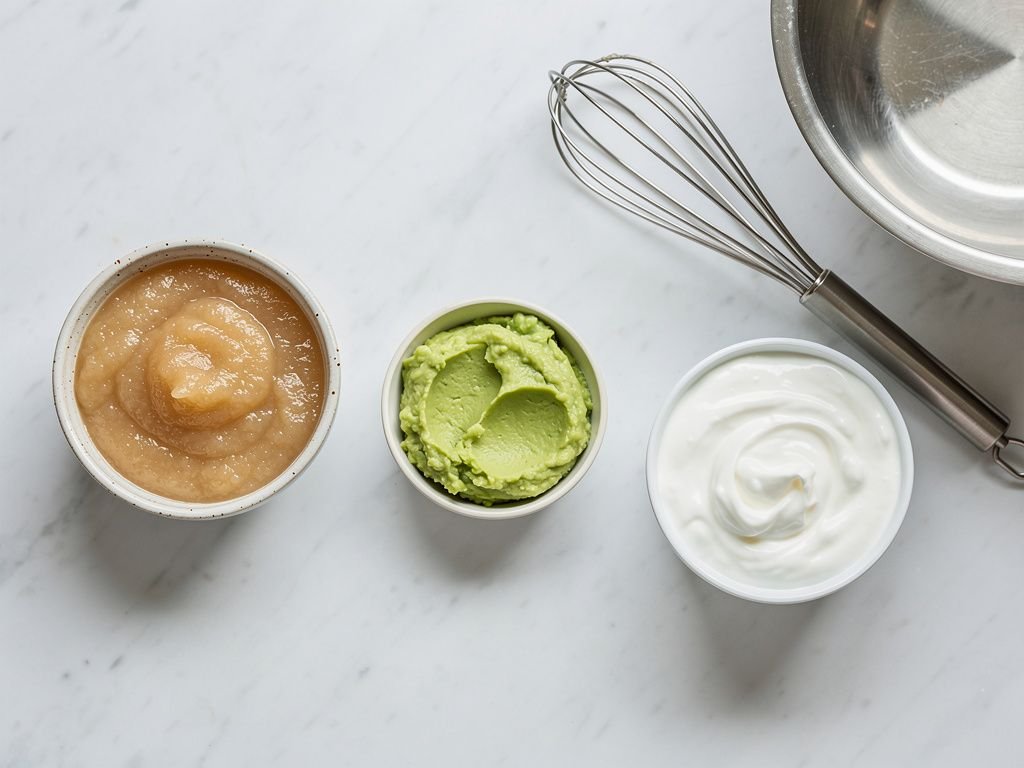
Healthy substitutions have a reputation problem because half of them are recommended without any explanation of why they work, which means people apply them in the wrong context and end up with a dry cake or a broken sauce. The truth is substitutions are chemistry, not vibes, and knowing the mechanism tells you when a swap will work and when it will not.
Applesauce for oil works in quick breads, muffins, and dense cakes because both ingredients add moisture, but applesauce cannot replicate fat's role in tenderness and browning. Replace half the oil with unsweetened applesauce, not all of it. A full swap gives you a gummy, pale, rubbery result because you have removed the fat that coats flour proteins and limits gluten development. In a banana bread or carrot cake, this half-swap is nearly undetectable; in a butter cookie, where fat is the entire point, do not attempt it at all.
Greek yogurt for sour cream or mayonnaise is close to a perfect one-to-one swap in dips, dressings, and baked goods because the fat and acid profiles are similar, and you pick up extra protein for free. A ranch dip made with plain Greek yogurt instead of sour cream loses almost nothing in texture while cutting fat roughly in half and adding around 9 grams of protein per half cup.
White whole wheat flour for a portion of all-purpose flour is the safest fiber upgrade in baking. Replace up to 50 percent of the all-purpose flour and most recipes barely change in texture, because white whole wheat wheat berries are milled from a lighter wheat variety than traditional red whole wheat. Go beyond 50 percent in a delicate recipe like a layer cake and you risk a denser, heavier crumb, since whole wheat flour absorbs more liquid and has more fiber interrupting gluten strands.
Mashed avocado for butter works surprisingly well in brownies and chocolate baked goods where a slight color change is invisible under cocoa, at a roughly 1:1 ratio by volume. It brings a similar fat content and creaminess, with less saturated fat and more fiber and potassium. It fails visibly in anything pale, like a vanilla cake or shortbread, where the green tint shows.
Broth for oil in sauteing vegetables is one of the most underused swaps. A few tablespoons of vegetable or chicken broth in a hot pan will soften onions, garlic, and mushrooms almost as well as oil for the first several minutes, though you lose the deep browning that fat encourages at higher heat, so this works best for softening rather than true searing.
The pattern across all of these: substitutions succeed when you replace an ingredient's primary job, moisture, fat, or acidity, with something that performs the same job, and they fail when you ask one ingredient to do everything the original did. Before swapping anything, ask what the original ingredient is actually contributing to the dish. If you cannot answer that question, test the substitution in a small batch first rather than gambling on the version you are serving guests.
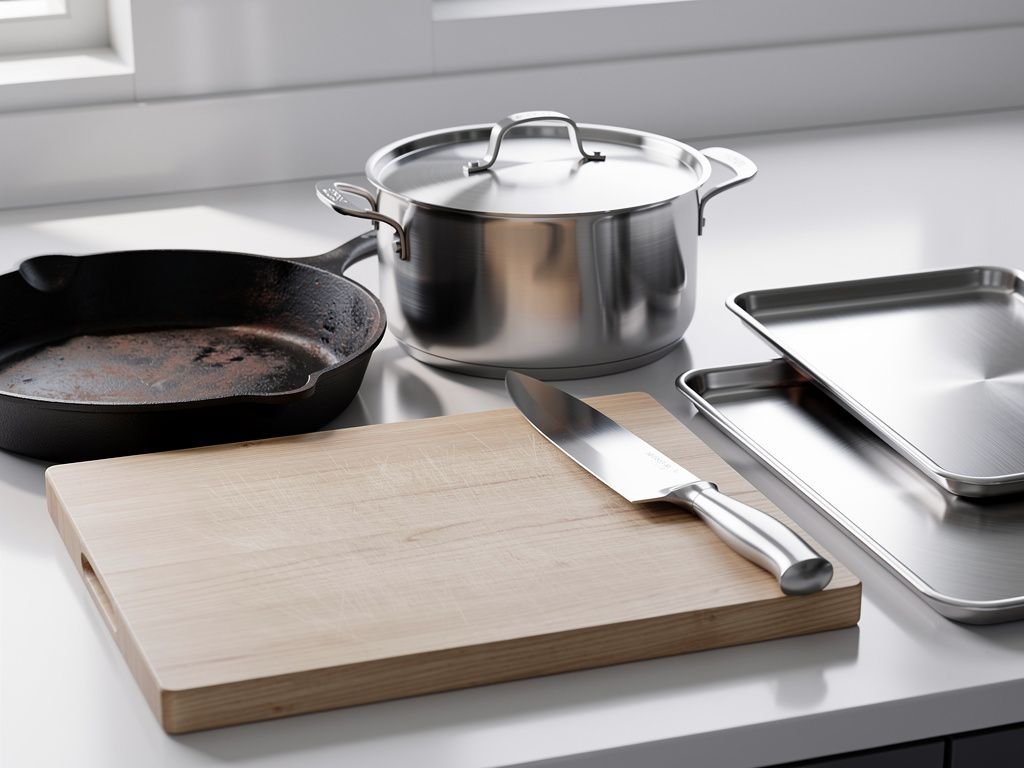
You do not need forty gadgets to cook healthy meals well. Here are the dozen tools that actually get used every week.
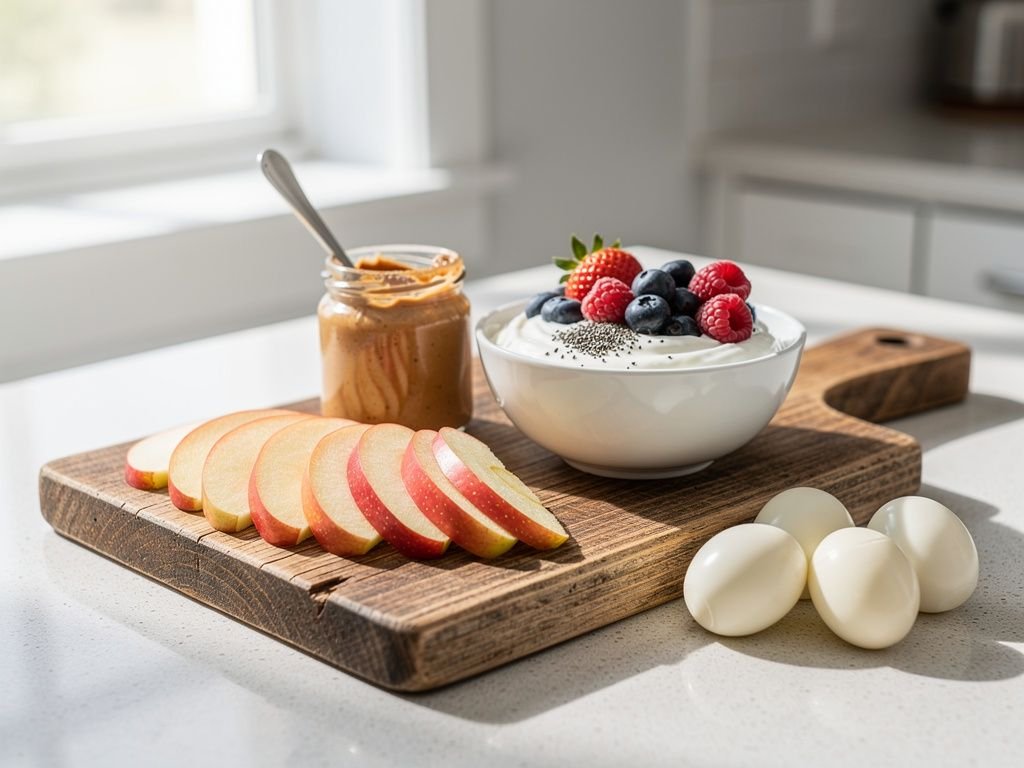
Most snacks fail because they are all carbs and no staying power. Here is the combination that actually works.
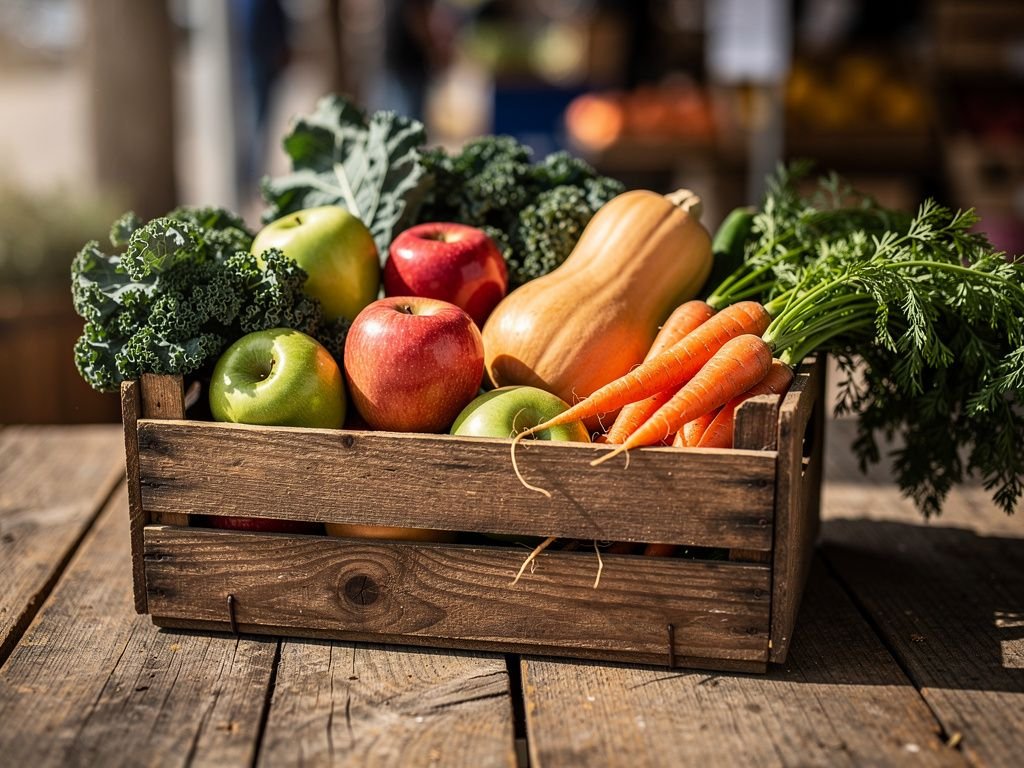
Produce bought in season is cheaper, fresher, and often more nutritious. Here is what to actually look for each time of year.
 Make Healthy