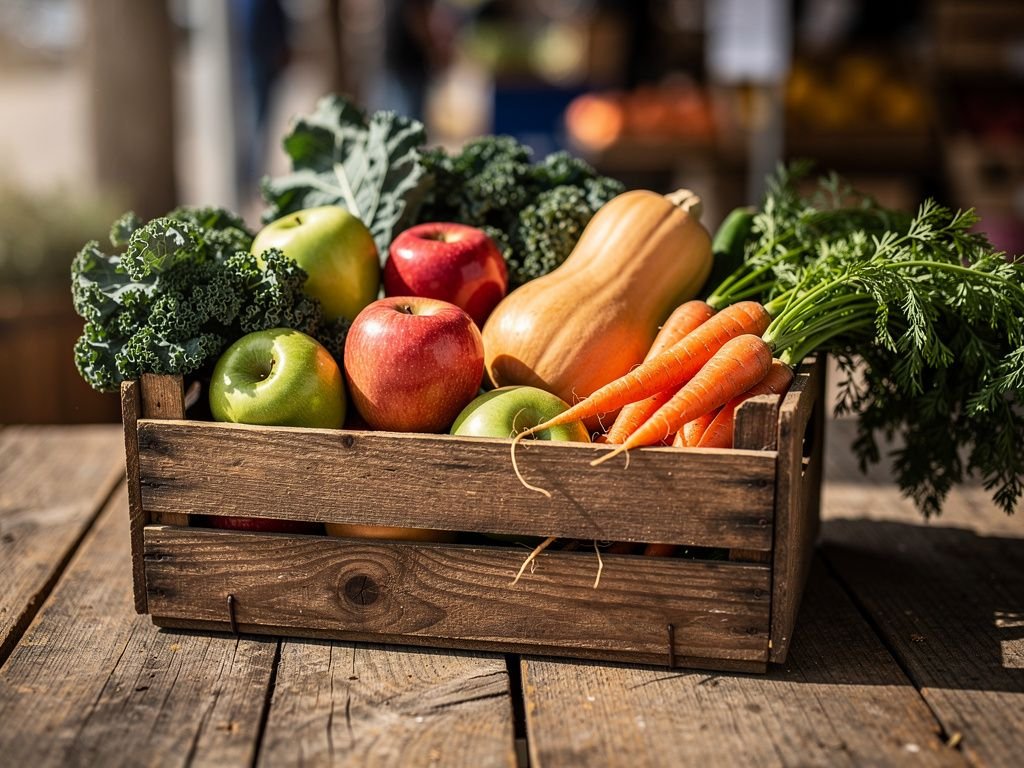
Seasonal produce is not just a flavor preference, it is a practical shortcut to better value and better nutrition. Fruits and vegetables harvested at their peak and sold locally travel shorter distances and sit in storage for less time, which means they retain more vitamin C, folate, and other nutrients that naturally degrade after harvest. Buying in season is one of the easiest ways to improve both your grocery bill and your plate at the same time.
Spring is the season for anything green and quick-growing: asparagus, peas, spinach, artichokes, and the first strawberries. Asparagus in April can cost half of what it costs in November, and its texture is noticeably more tender when it is actually in its natural window. Look for asparagus spears that are firm with tightly closed tips, a sign they were cut recently rather than sitting in cold storage for weeks.
Summer brings the produce most people associate with 'healthy eating' marketing: tomatoes, corn, zucchini, berries, stone fruit, and peppers. This is genuinely the cheapest and best-tasting window for tomatoes, and it is worth buying enough to freeze or can if you have the time, since a summer tomato has a flavor depth that the winter greenhouse version cannot match at any price. Corn should be bought with the husk still on and used within a day or two; its natural sugars begin converting to starch within hours of picking, which is why farm-stand corn tastes sweeter than supermarket corn shipped from further away.
Fall is root vegetable and squash season: sweet potatoes, butternut and acorn squash, Brussels sprouts, apples, and pears. These vegetables store exceptionally well, often for weeks in a cool pantry, which makes fall the best time to buy in bulk for batch cooking and freezing. A whole butternut squash roasted and pureed freezes well for months and can replace canned pumpkin in most recipes at a lower cost per cup.
Winter is the leanest season for fresh produce in most climates, but it is the best season for citrus, and for hardy greens like kale and cabbage, which actually improve in flavor after a light frost because the cold triggers the plant to convert starches into sugars. This is also the season to lean hardest on frozen vegetables without any real nutritional tradeoff, since fresh options are shipped from further away and priced accordingly.
A practical habit: check your grocery store's flyer or your local farmers market list at the start of each month, and build two or three meals around whatever produce is featured most heavily and priced lowest that month. This is a reliable signal for what is actually in season locally, since stores price aggressively on items they are receiving in volume.
Do not assume 'organic' and 'in season' are the same thing, or that out-of-season organic produce is automatically the better buy. An out-of-season organic tomato shipped thousands of miles is both more expensive and often less flavorful than a conventionally grown, in-season, local tomato. When budget and quality both matter, seasonality is usually the more important factor to optimize for first.
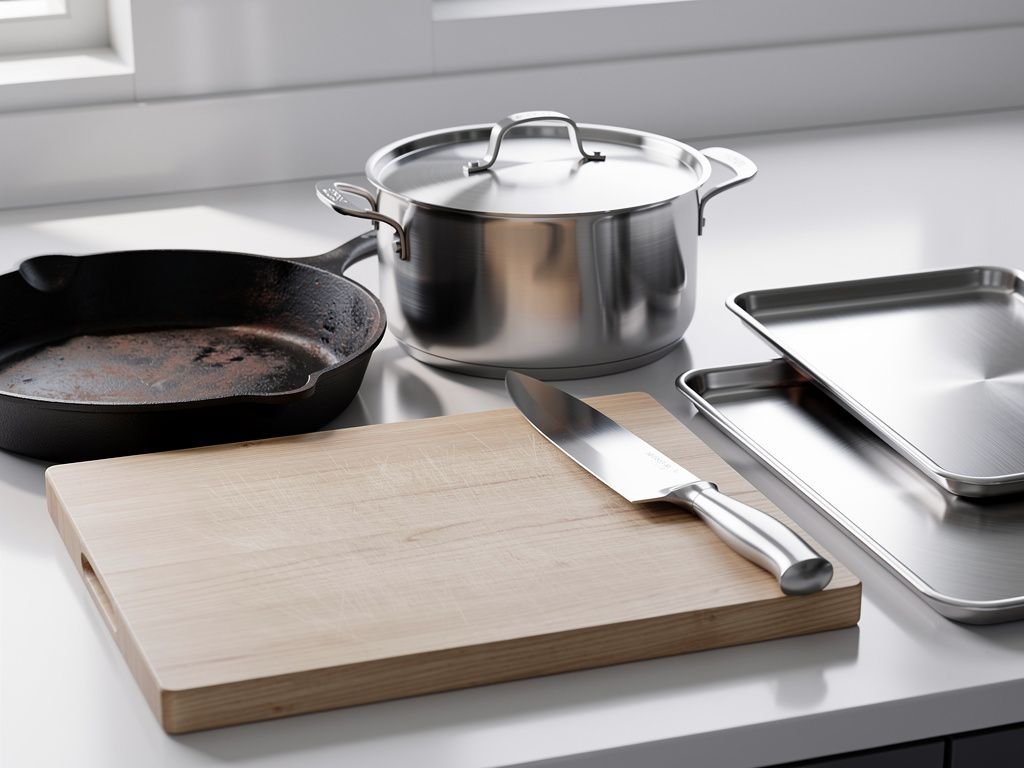
You do not need forty gadgets to cook healthy meals well. Here are the dozen tools that actually get used every week.
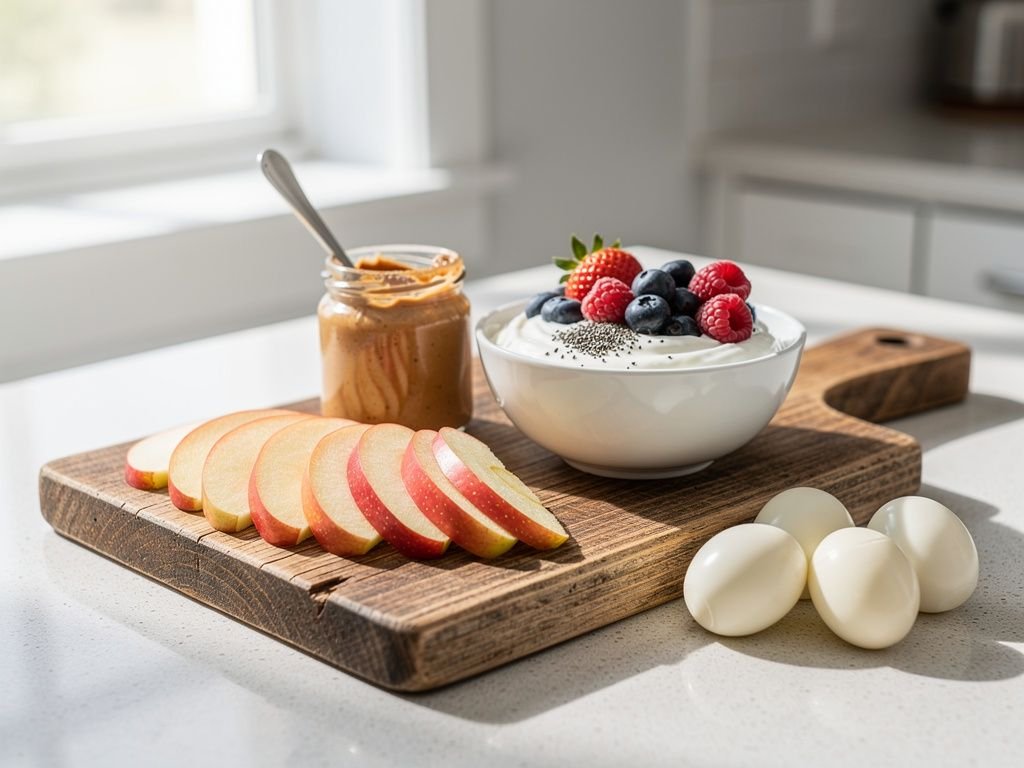
Most snacks fail because they are all carbs and no staying power. Here is the combination that actually works.
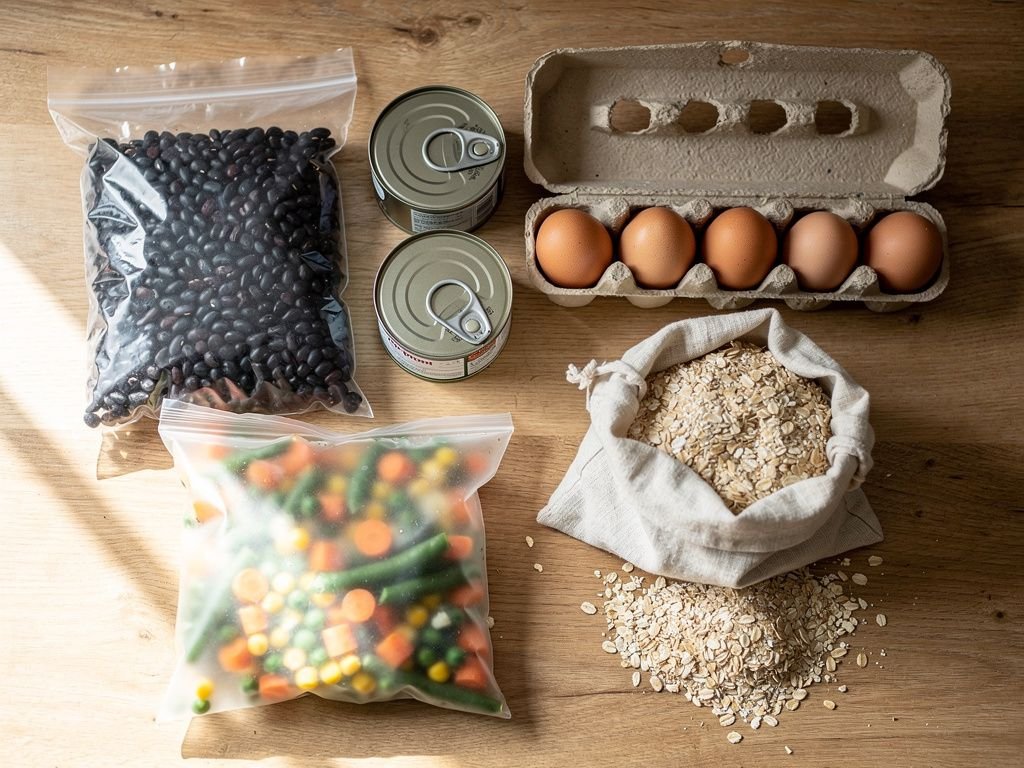
Healthy eating has a reputation for being expensive because of what gets marketed, not what actually works. Here is the cheaper path.
 Make Healthy