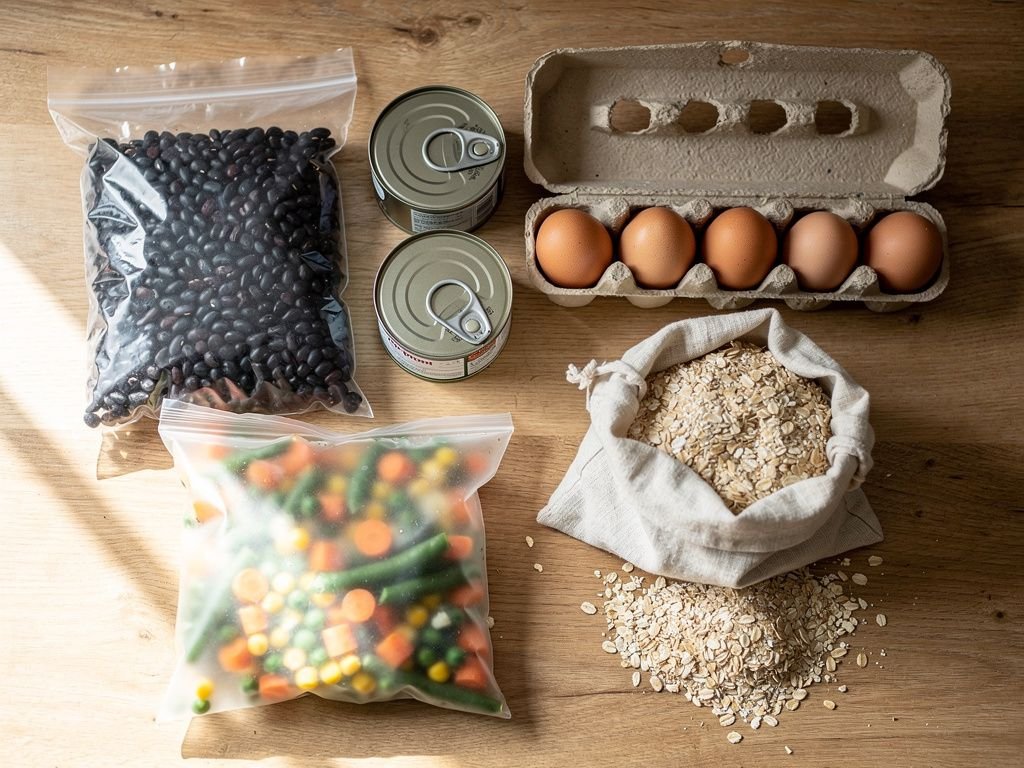
The idea that healthy eating requires an expensive grocery cart comes mostly from marketing, not nutrition science. Some of the cheapest foods available, dried beans, canned fish, frozen vegetables, and eggs, are also among the most nutrient-dense options in the entire store. The trick is knowing where the real savings live.
Dried beans and lentils are the single best value move available. A pound of dried black beans costs roughly $1.50 to $2 and yields about 6 cups cooked, delivering around 15 grams of protein and 15 grams of fiber per cup, for pennies per serving once cooked. Canned beans cost more per serving and carry added sodium, but they are still a fair trade for convenience on a busy week; dried beans are for when you have 10 minutes to set a pot soaking overnight.
Frozen vegetables are not a downgrade from fresh. They are typically flash-frozen within hours of harvest, which locks in vitamin content that fresh produce loses during days of shipping and shelf time. Frozen spinach, broccoli, peas, and mixed vegetables often cost half of their fresh equivalent and have a near-zero waste rate, since you use only what you need and the rest stays frozen instead of rotting in the crisper drawer.
Canned fish, specifically canned salmon, sardines, and light tuna, delivers omega-3 fatty acids and 20-plus grams of protein per can at a fraction of the cost of fresh fish, which can run $12 to $20 per pound. A can of sardines costs around $1.50 to $2.50 and provides roughly the same omega-3 content as a much pricier fresh salmon fillet, plus calcium from the soft edible bones.
Eggs remain one of the cheapest complete protein sources available, typically 15 to 25 cents per egg even with recent price swings, delivering 6 grams of high-quality protein and a full range of B vitamins per egg. A two-egg breakfast costs less than almost any packaged cereal or granola bar and keeps you fuller for longer.
Buy in-season produce and check the frozen aisle as your fallback, not fresh out-of-season produce shipped from far away, which costs more and often tastes worse. A pint of out-of-season strawberries in January can cost triple what frozen strawberries cost, with a flavor that rarely justifies the price gap in a smoothie or oatmeal topping anyway.
Cook a large-format grain like brown rice, farro, or oats in bulk rather than buying individual portion packs. A 5-pound bag of rolled oats runs about $6 to $8 and lasts weeks, working out to roughly 10 to 15 cents per serving, compared to $1 or more per packet for instant oatmeal cups with added sugar.
Plan meals around what is on sale that week rather than picking a recipe first and shopping to match it. This single habit shift, checking the store's sale flyer before building a meal plan instead of after, routinely saves 15 to 20 percent on a grocery bill because you are buying proteins and produce at their cheapest point in the pricing cycle rather than whatever a recipe happened to specify.
The overall pattern: whole, minimally processed staples, beans, frozen vegetables, canned fish, eggs, and bulk grains, are almost always cheaper per serving and per nutrient than their pre-packaged, branded, or out-of-season alternatives. Budget eating and healthy eating are not actually in conflict; they are frequently the exact same grocery list.
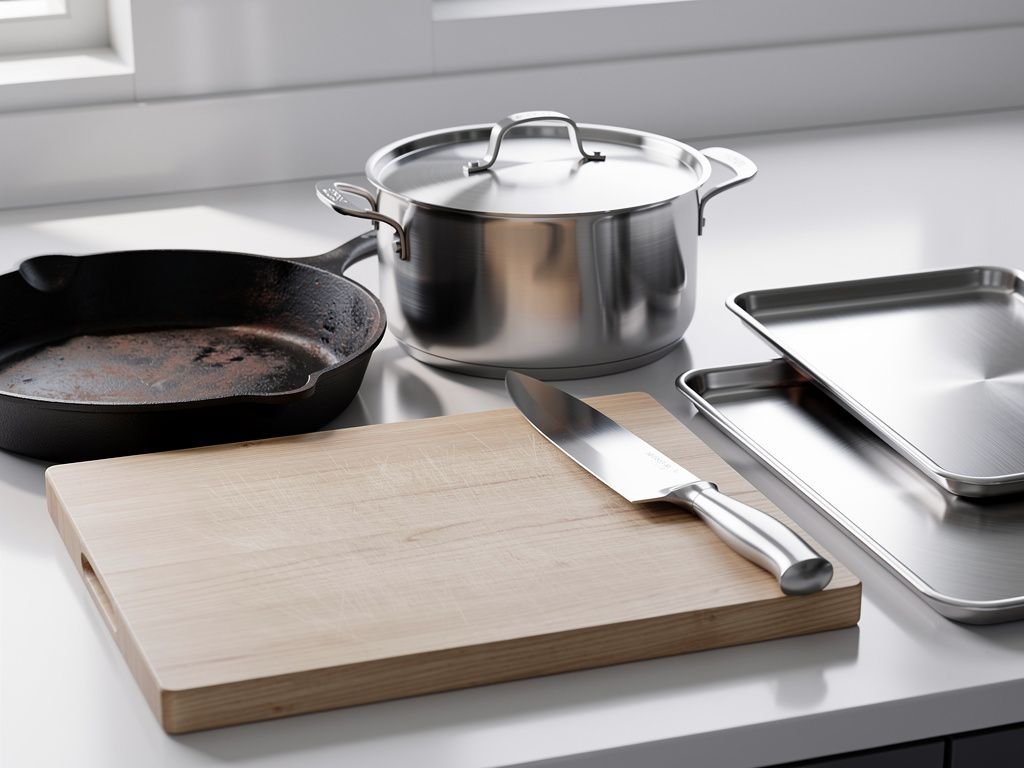
You do not need forty gadgets to cook healthy meals well. Here are the dozen tools that actually get used every week.
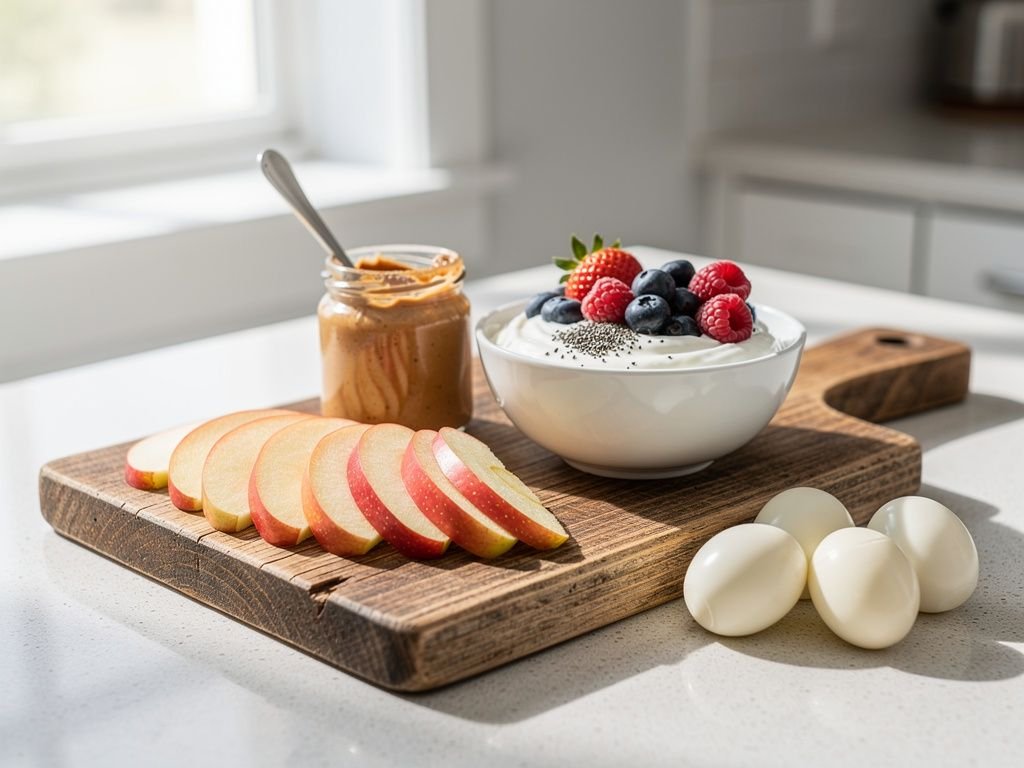
Most snacks fail because they are all carbs and no staying power. Here is the combination that actually works.
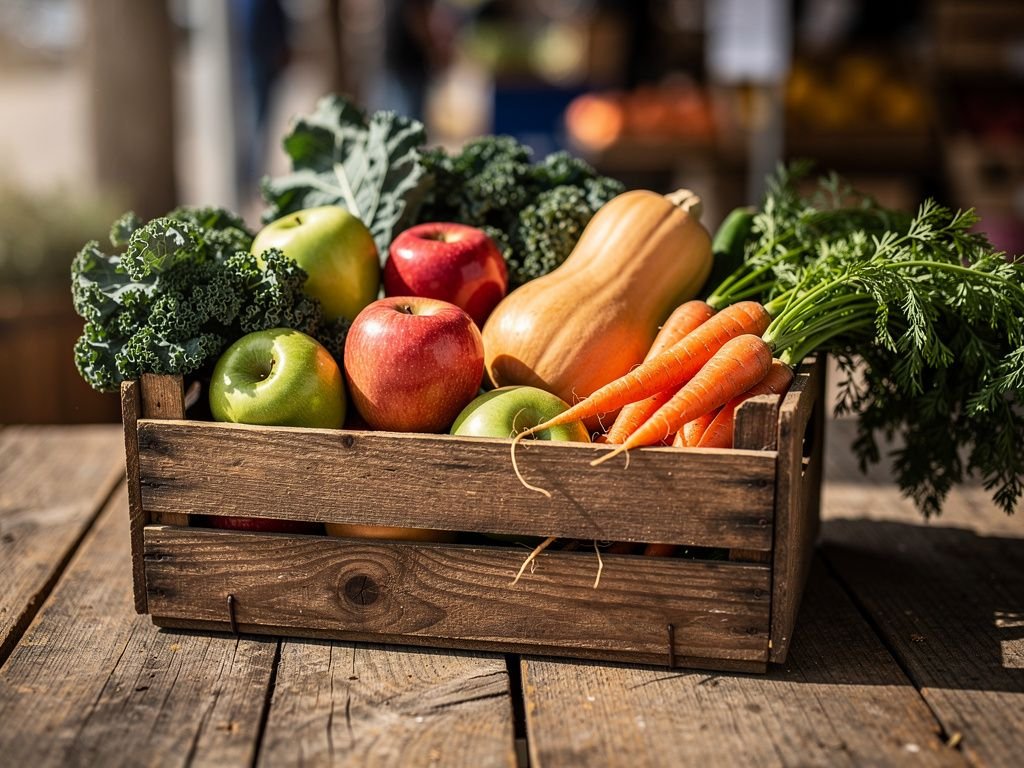
Produce bought in season is cheaper, fresher, and often more nutritious. Here is what to actually look for each time of year.
 Make Healthy