Snacking gets a bad reputation because most popular snack foods are built around one macronutrient: fast carbohydrates. Crackers, pretzels, chips, and granola bars digest quickly, spike blood sugar, and leave you hungry again within an hour, which is exactly the cycle that makes snacking feel like a losing battle. The fix is not eating less; it is pairing carbohydrates with protein and fat so digestion slows down and fullness actually lasts.
The rule of thumb worth remembering: a snack that keeps you full for two to three hours needs roughly 150 to 250 calories, at least 5 to 7 grams of protein, and some fat or fiber alongside it. A snack that is only carbohydrate, like a handful of pretzels or a few crackers, rarely reaches that protein threshold and burns off in 30 to 45 minutes.
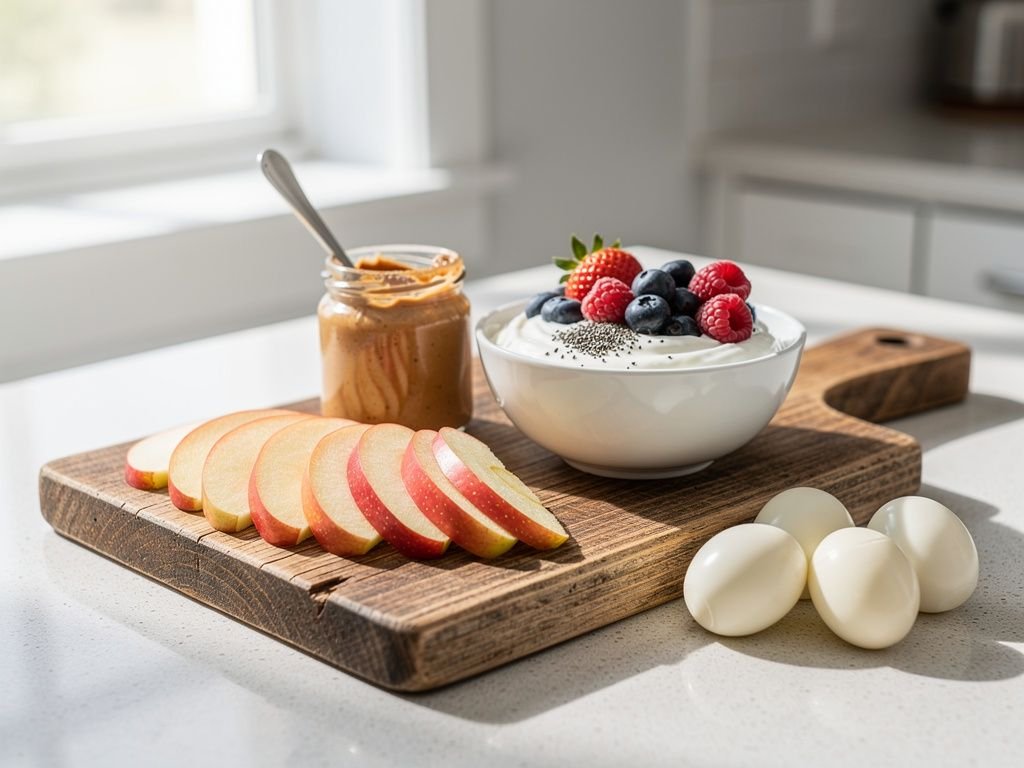
Apple slices with 2 tablespoons of peanut or almond butter is close to the ideal template: roughly 200 calories, 7 grams of protein, 4 grams of fiber, and a mix of natural sugar and healthy fat that digests slowly. The fiber in the apple skin and the fat in the nut butter both slow gastric emptying, which is the physiological reason this combination outlasts a granola bar despite having a similar calorie count.
Greek yogurt with berries and a tablespoon of chia or ground flax seed delivers around 15 to 20 grams of protein in a single serving of plain Greek yogurt, plus fiber and omega-3s from the seeds. Choose plain over flavored varieties; flavored Greek yogurt frequently carries 12 to 17 grams of added sugar per cup, which undoes much of the point of choosing yogurt in the first place.
A hard-boiled egg with a small handful of nuts is one of the most portable protein-forward snacks available, at roughly 6 grams of protein from the egg and another 3 to 5 grams from a small handful of almonds or walnuts, alongside healthy monounsaturated fats. Hard-boil a dozen eggs at the start of the week; they hold in the fridge, still in shell, for up to a week.
Hummus with raw vegetables, carrots, bell pepper strips, and cucumber, is a reliable fiber-and-protein combination as long as you watch the portion of hummus, since a full container-sized serving can carry 400 or more calories. A quarter cup of hummus, roughly 100 calories with 4 grams of protein and 4 grams of fiber, paired with a cup of raw vegetables, lands in the ideal snack range.
Cottage cheese with pineapple or a drizzle of honey is an underrated option, delivering as much as 25 grams of protein per cup of cottage cheese, more protein per calorie than almost any other dairy product on the shelf, alongside a modest amount of natural sweetness.
The pattern across every one of these: pair a carbohydrate source with a protein source, and add fiber or fat where you can. A snack built this way will reliably outlast a carb-only snack by an hour or more, which in practice means one well-built snack in the afternoon instead of three separate trips back to the pantry.
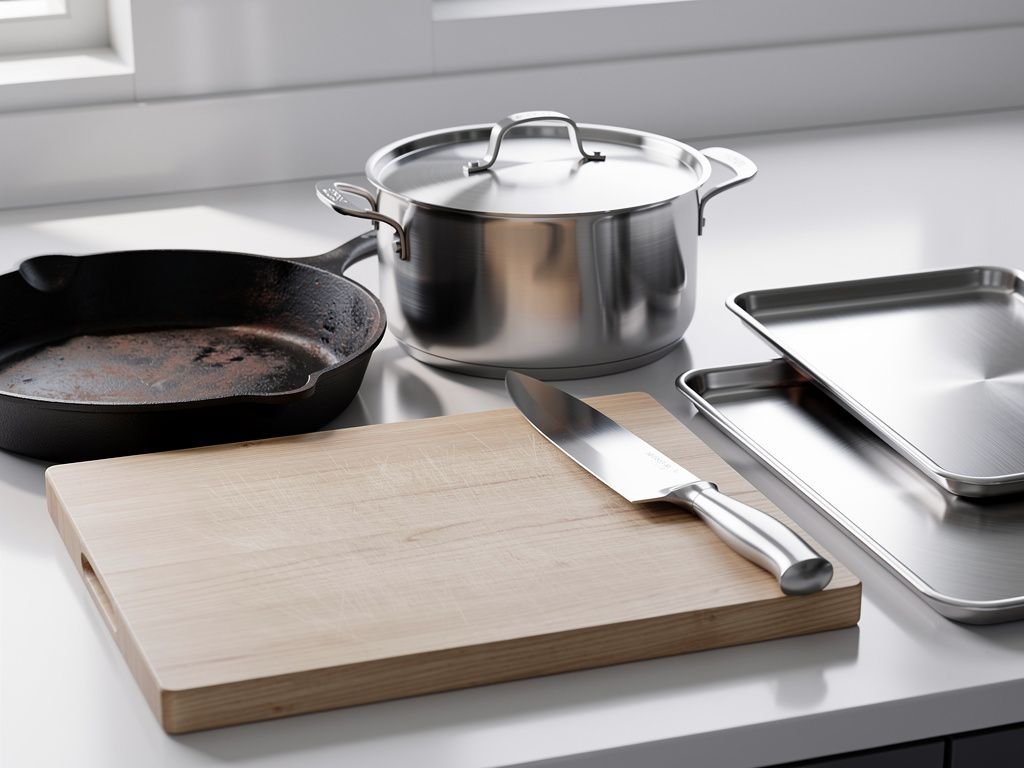
You do not need forty gadgets to cook healthy meals well. Here are the dozen tools that actually get used every week.
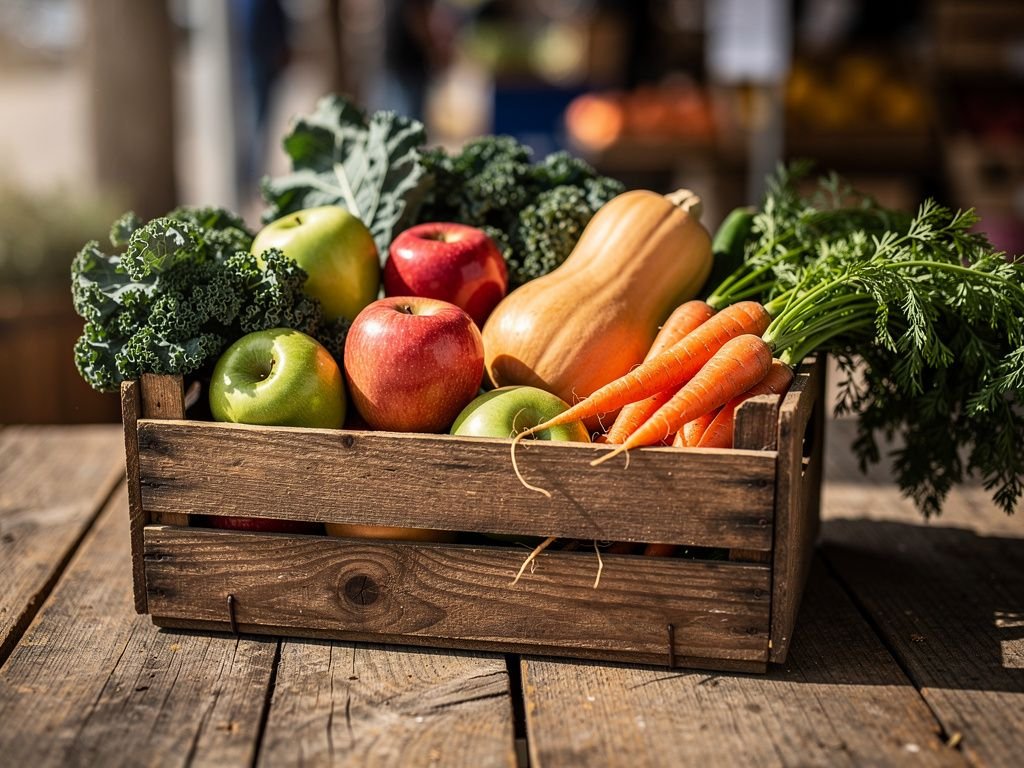
Produce bought in season is cheaper, fresher, and often more nutritious. Here is what to actually look for each time of year.
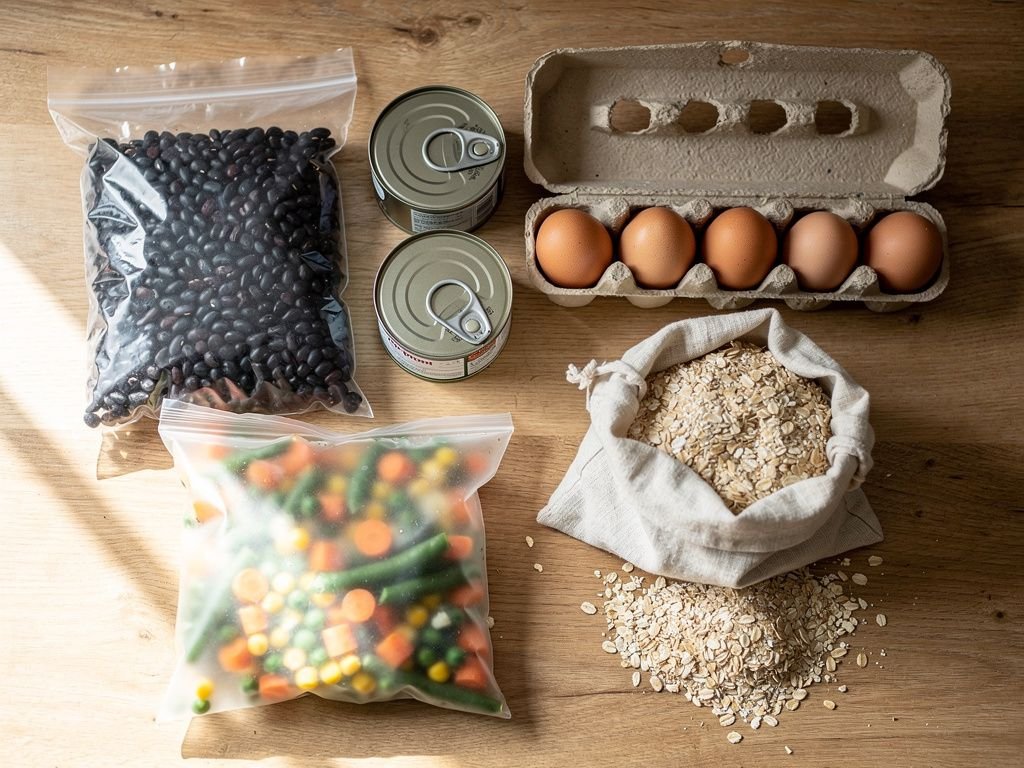
Healthy eating has a reputation for being expensive because of what gets marketed, not what actually works. Here is the cheaper path.
 Make Healthy