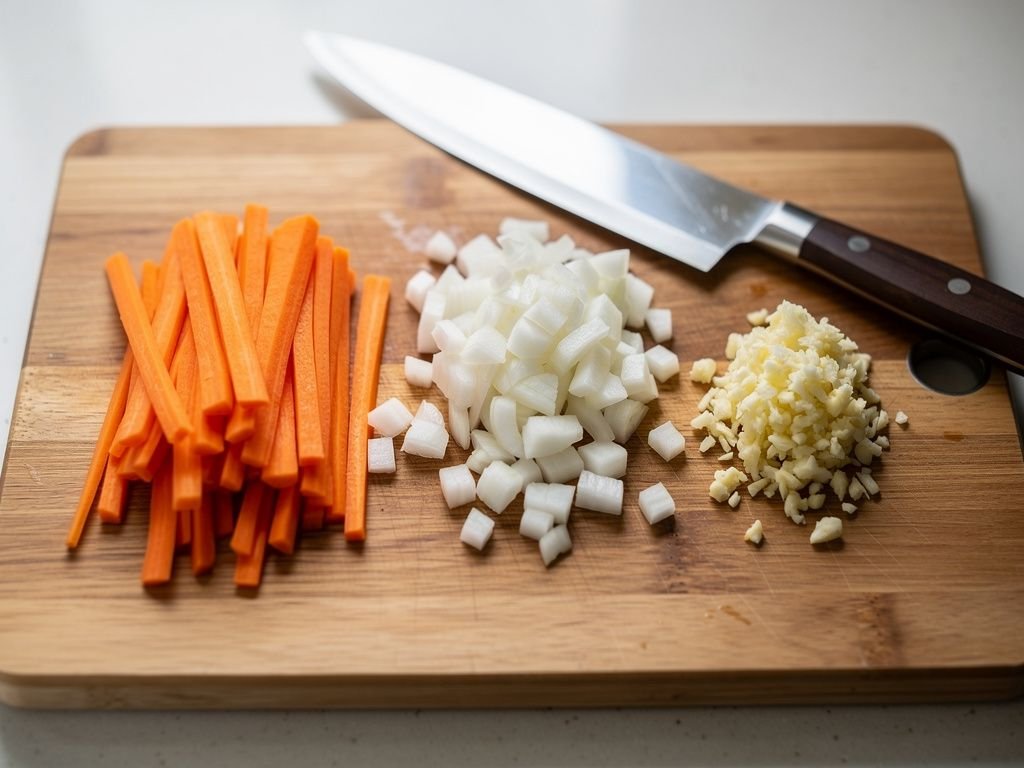
Most home cooks own too many knives and know how to use none of them well. You can cook almost everything in a healthy recipe rotation with one good 8-inch chef's knife, a paring knife, and three techniques: the claw grip, the rock chop, and the julienne-to-dice pathway. Everything else is refinement.
Start with the claw grip, because it prevents more injuries than any other single habit. Curl your non-dominant fingertips under, so your knuckles, not your fingertips, face the blade, and let the flat side of the knife ride against your knuckles as a guide while you cut. Your thumb tucks behind your fingers, never in front. This feels awkward for the first few onions and completely automatic by the tenth. It is the difference between a knife that occasionally nicks a knuckle and one that never does.
Learn the rock chop for anything you are mincing or chopping finely, like garlic, herbs, or onions. Keep the tip of the knife on the cutting board and rock the blade up and down through the food in an arc, moving your guiding hand back as you go, rather than lifting the whole knife off the board between cuts. This is faster and far more controlled than chopping straight down repeatedly, and it is the technique that separates a five-minute onion from a fifteen-minute one.
For vegetables like carrots, zucchini, or bell peppers, learn the julienne-to-dice pathway instead of memorizing separate cuts for every size. Slice the vegetable into flat planks first, stack the planks, cut the stack into matchsticks (a julienne), then turn the matchsticks 90 degrees and cut across them into small cubes (a dice). Once you can julienne, you already know how to dice; it is the same cut with one extra step.
Onions deserve their own note because they intimidate people disproportionately. Halve the onion through the root end first, not across the middle, leave the root intact, and peel. The root holds the layers together while you make horizontal cuts parallel to the board, then vertical cuts down through the onion, finishing with a few crosswise cuts at the end. The root is what turns onion cutting from a slippery mess into a controlled process, and cutting through the root by mistake is the most common reason people struggle with onions.
Sharpen more than you sharpen, meaning hone your knife every time you use it and get it professionally sharpened every 6 to 12 months for a typical home cook. A honing steel, run down each side of the blade 5 to 8 times at roughly a 15 to 20 degree angle, realigns the blade's edge between real sharpenings; it does not sharpen the knife, it just keeps the edge straight. A genuinely sharp knife is safer than a dull one because it requires less force, and force is what causes slips.
Finally, invest in a cutting board that will not slide: a damp paper towel or a thin rubber mat underneath any board stops the single most common source of kitchen knife accidents, which is the board itself skating across the counter mid-cut. None of this requires expensive equipment. A $30 to $50 chef's knife kept reasonably sharp, paired with these three techniques, will get you through 90 percent of the prep work in a healthy home kitchen.
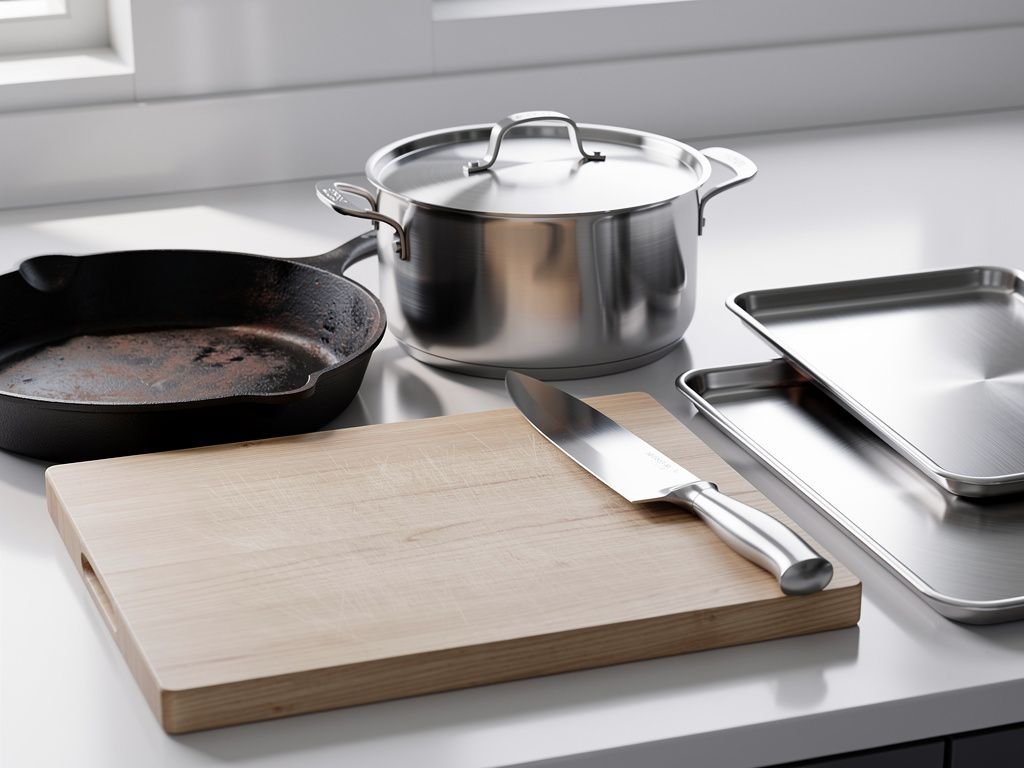
You do not need forty gadgets to cook healthy meals well. Here are the dozen tools that actually get used every week.
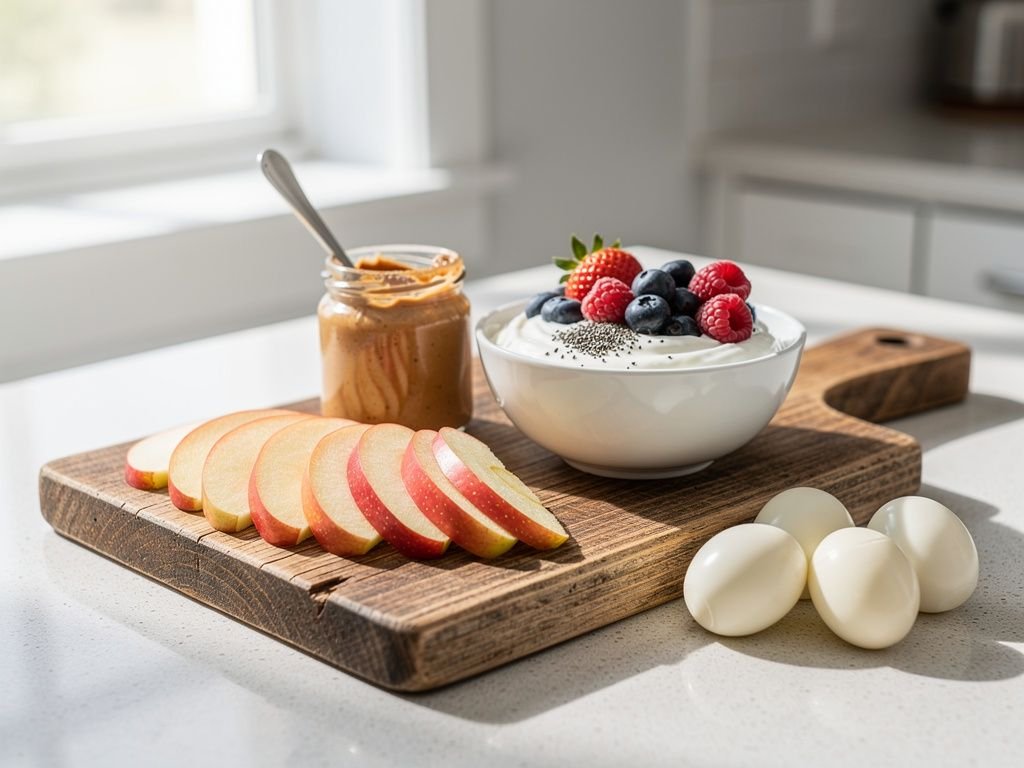
Most snacks fail because they are all carbs and no staying power. Here is the combination that actually works.
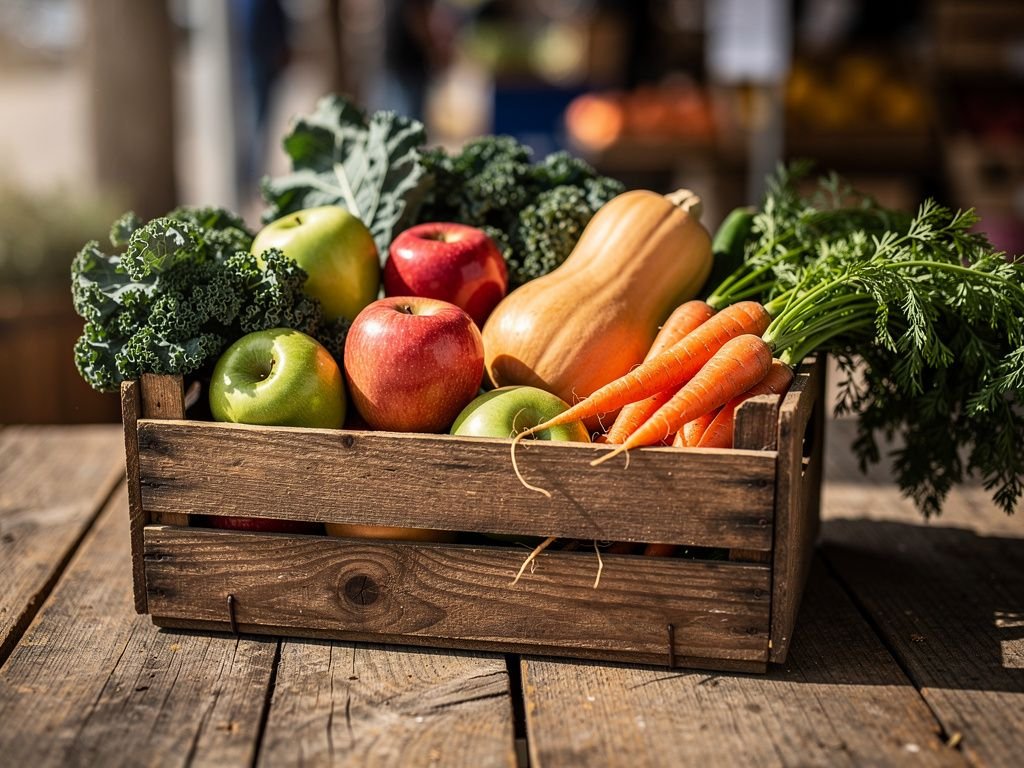
Produce bought in season is cheaper, fresher, and often more nutritious. Here is what to actually look for each time of year.
 Make Healthy