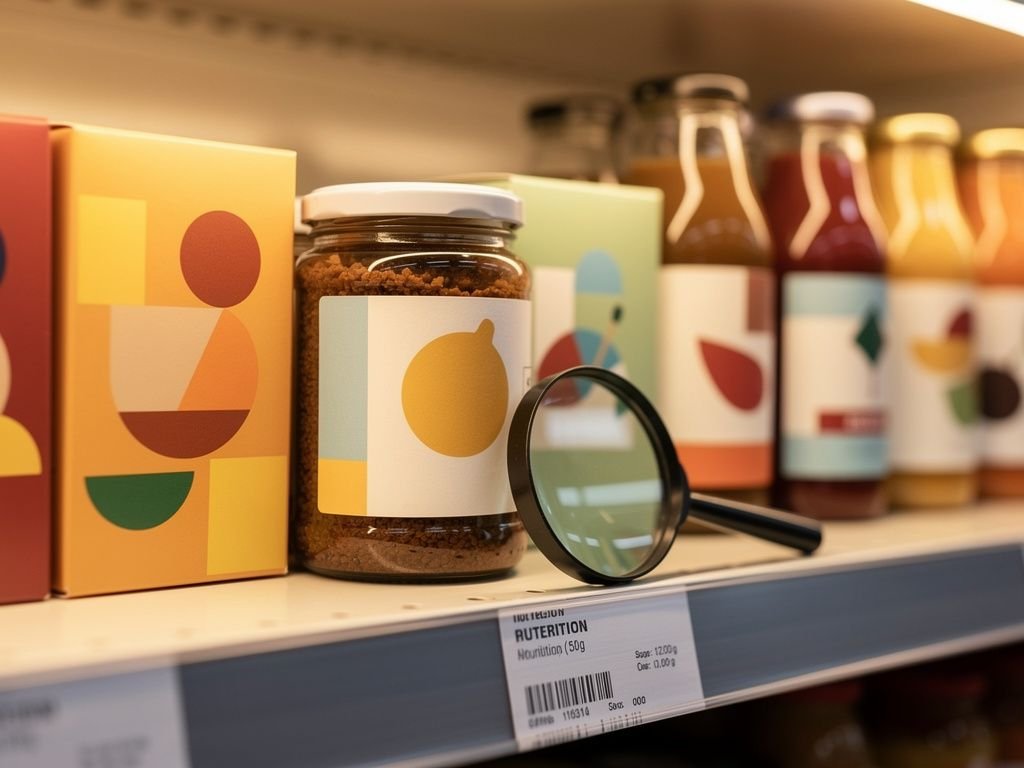
Nutrition labels look like they were designed to be skimmed, and that is exactly the problem. The single most important line on the entire label is also the one people skip: serving size. Every number below it, calories, sugar, sodium, fat, is calculated against that serving, and manufacturers are allowed to define servings however they like within reason. A bag of chips can list a serving size of 12 chips when a normal handful is closer to 25, quietly cutting the listed calories and sodium in half compared to what you will actually eat.
Once you have the real serving size in mind, look at added sugar before total sugar. Total sugar includes naturally occurring sugar in things like milk or fruit, which is not a health concern in normal amounts. Added sugar is what was poured in during manufacturing, and it is the number tied to health outcomes like weight gain and metabolic issues. The American Heart Association recommends capping added sugar around 25 grams a day for women and 36 grams for men. A single flavored yogurt can carry 15 to 19 grams of added sugar, more than half a day's budget in one small container.
Check sodium against the 2,300 milligram daily upper limit, and treat anything over 400 milligrams per serving as high for a single food item. This adds up faster than people expect: a can of soup can carry 800 to 900 milligrams of sodium in one serving, and most cans hold two servings, meaning the whole can is close to a full day's sodium limit on its own.
Look at the fiber number, which is chronically ignored despite being one of the best predictors of a food actually keeping you full. Most adults get less than half the recommended 25 to 38 grams of fiber per day. A food with 5 or more grams of fiber per serving counts as a good source; 3 grams or fewer means it will not do much for satiety no matter how 'whole grain' the front of the package claims to be.
The ingredient list matters as much as the nutrition panel, and the rule there is simple: ingredients are listed by weight, heaviest first. If sugar, corn syrup, or any of its aliases (dextrose, maltose, cane juice) shows up in the first three ingredients, the product is sugar-forward no matter what health claims sit on the front of the box. A short ingredient list is not automatically healthy, but a long list full of unrecognizable additives is a reasonable signal to check the rest of the label more carefully.
Last, ignore the front-of-package claims almost entirely. 'Natural,' 'made with real fruit,' and 'lightly sweetened' are marketing language with no regulated definition in most cases. 'Low fat' often means sugar was added to compensate for lost flavor. The only reliable information is on the back: serving size, added sugar, sodium, fiber, and the first three ingredients. Get in the habit of checking those four things in under 15 seconds, and you will make better choices in the grocery aisle than most people manage with far more effort.

You do not need forty gadgets to cook healthy meals well. Here are the dozen tools that actually get used every week.

Most snacks fail because they are all carbs and no staying power. Here is the combination that actually works.
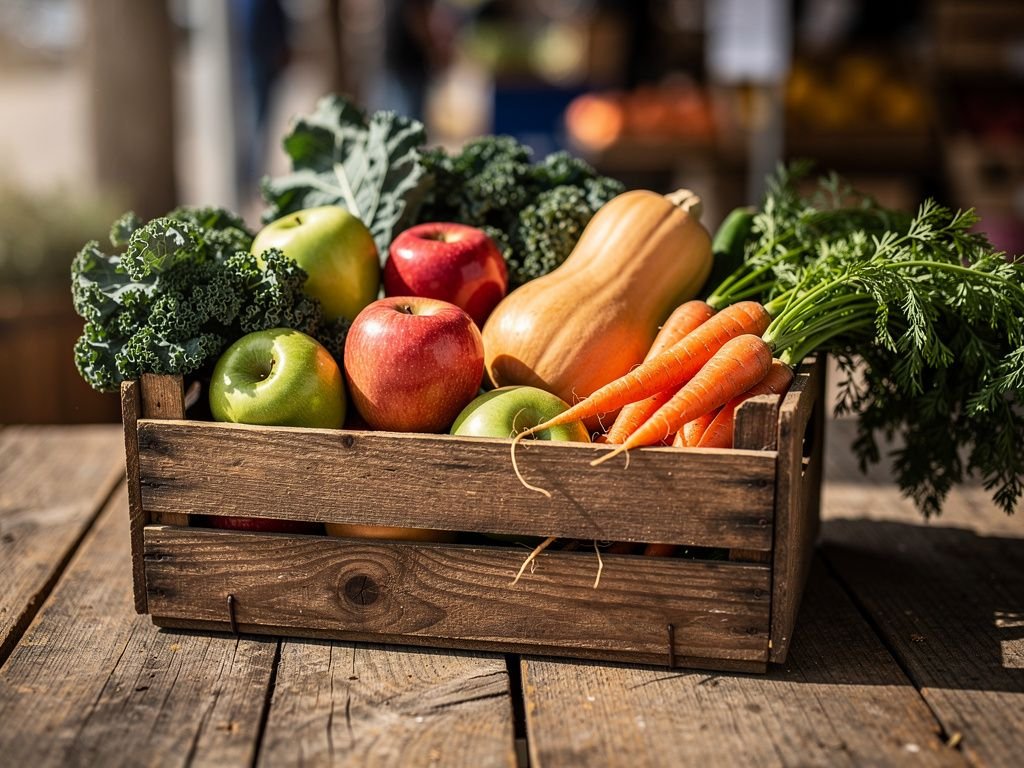
Produce bought in season is cheaper, fresher, and often more nutritious. Here is what to actually look for each time of year.
 Make Healthy