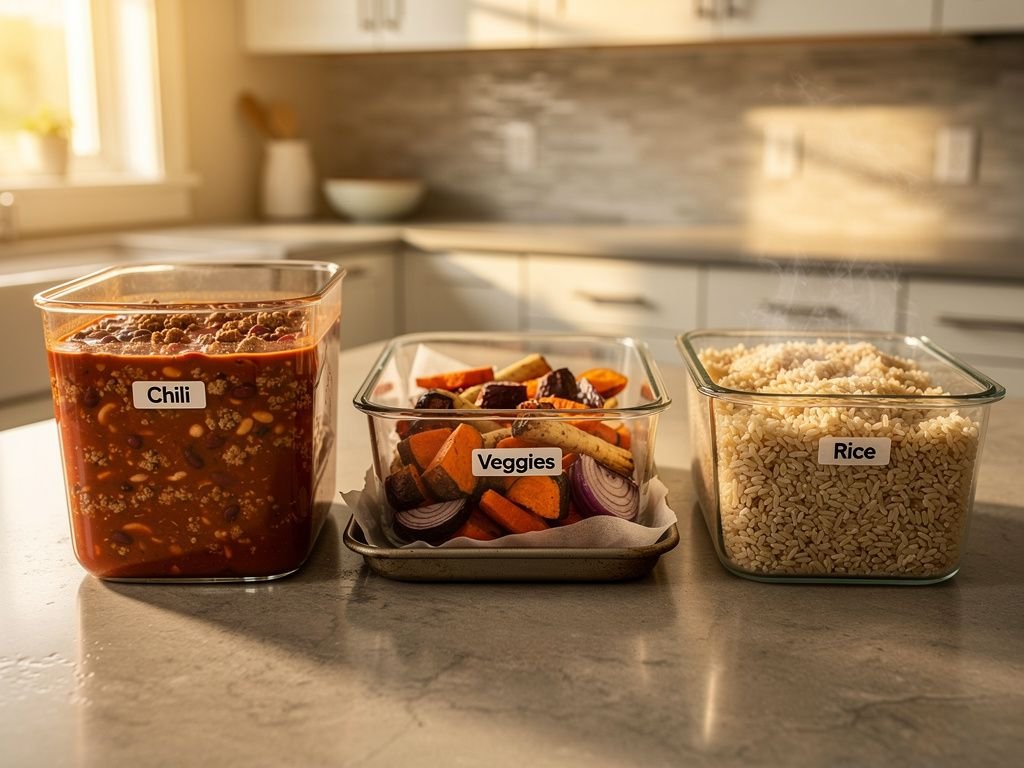
Batch cooking and meal prep get used interchangeably, but they solve different problems. Meal prep portions out finished meals for the week. Batch cooking makes large quantities of a few flexible dishes that get repurposed across multiple dinners, and it is the better approach for people who find identical daily lunches boring but still want to cook less during the week.
The math that makes batch cooking worthwhile: cooking one large pot of chili takes maybe 20 minutes more active time than cooking a single-serving version, but it produces six servings instead of one, cutting your effective cooking time per meal by roughly 80 percent. That ratio holds for soups, stews, braises, and grain casseroles, which is why experienced batch cookers build their week around two or three of these big-format dishes rather than five separate small meals.
Pick one protein-forward braise or soup, one grain or legume base, and one roasted vegetable tray as your three anchors for the week. A pot of turkey and white bean chili, a large batch of brown rice or quinoa, and a full sheet pan of roasted root vegetables can be recombined into chili bowls, rice-and-chili burritos, a grain bowl with roasted vegetables and a fried egg, and a soup-and-salad night, all from the same three cooking sessions.
Cook the anchor dish in a pot at least twice the size you think you need. Chili, soup, and stew all improve with volume because the flavors have more time and surface area to develop, and most people underestimate how much they will actually eat once the dish is good. A six-quart pot of chili, fully loaded, yields about 10 to 12 cups, enough for five to six dinners for two people.
Stagger your reheating strategy by ingredient. Rice and grains reheat cleanly in the microwave with a splash of water and a loose cover, about 90 seconds per cup. Roasted vegetables reheat far better in a 400 degree oven or air fryer for 5 to 7 minutes than in a microwave, which turns them soggy. Soups and braises are the most forgiving and often taste better on day three than day one, because the flavors continue to meld.
Label with cook date, not just contents. Write the actual date on masking tape on every container, not just 'chili.' This is the single habit that prevents batch cooking from turning into a science experiment in the back of the fridge. Most cooked grains and vegetables last four to five days refrigerated; soups, stews, and chilis with meat generally hold for four days and freeze well for up to three months.
Budget three hours on a weekend day: roughly 45 minutes of active prep and chopping, 90 minutes of mostly hands-off simmering and roasting, and 45 minutes of cooling and portioning into containers. That single afternoon, done consistently, replaces cooking from scratch on four or five weeknights, which is the actual goal. Batch cooking works because it front-loads the effort into a session you have already set aside, instead of asking you to find 40 minutes of energy on a Tuesday when you have none left.
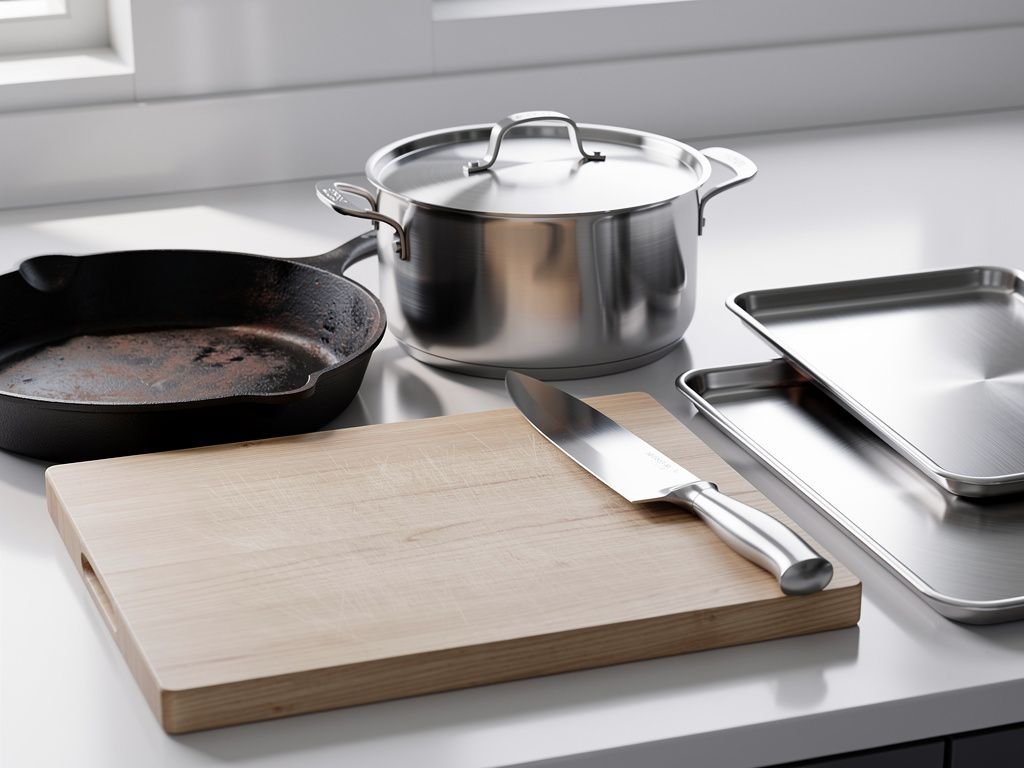
You do not need forty gadgets to cook healthy meals well. Here are the dozen tools that actually get used every week.
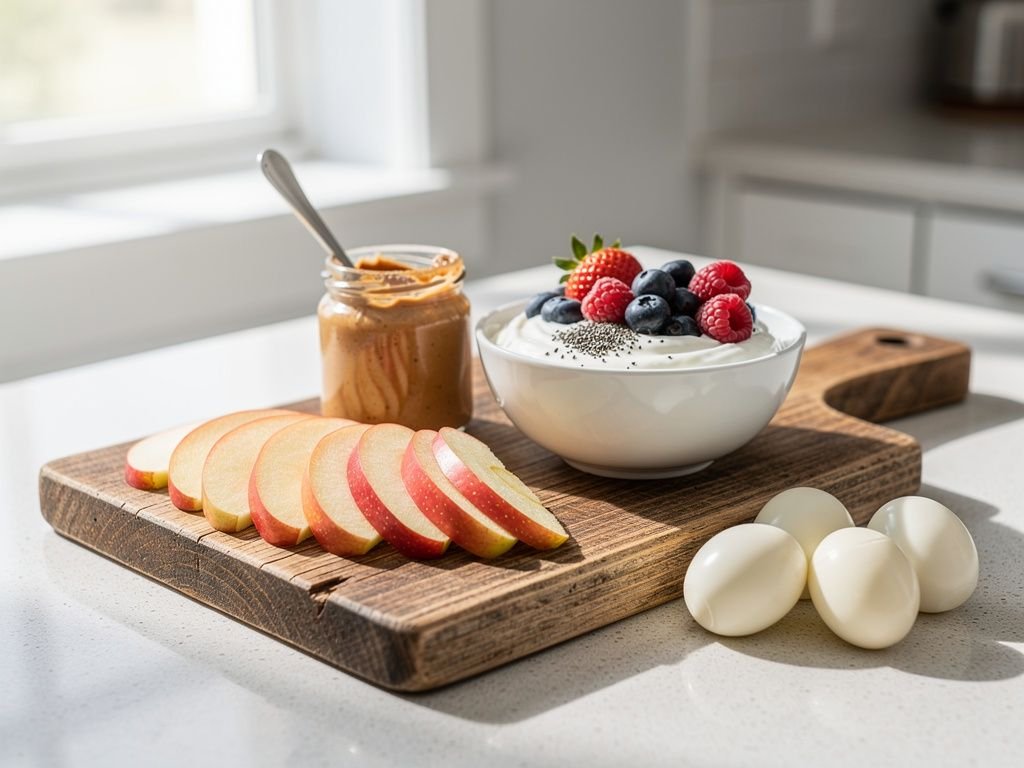
Most snacks fail because they are all carbs and no staying power. Here is the combination that actually works.
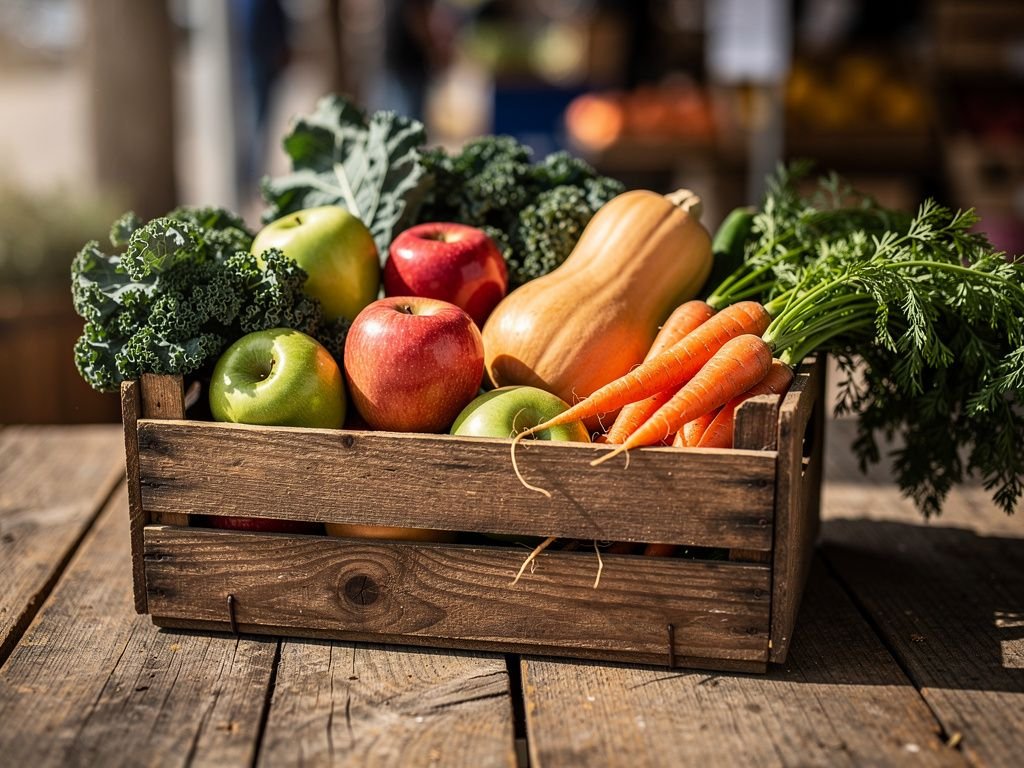
Produce bought in season is cheaper, fresher, and often more nutritious. Here is what to actually look for each time of year.
 Make Healthy